
Window Shades and Blinds: A Complete Buying Guide [2026]
Window shades and blinds shape how every room in your home looks, feels, and functions. They control the sunlight that pours in, protect your privacy, and set the tone for your décor. With so many styles on the market, though, choosing between them can feel a little overwhelming.
This guide walks you through the key differences, the most popular options, and the questions worth asking before you buy. By the end, you will have a clear sense of what fits your windows, your style, and your daily routine.
What's the Difference Between Window Shades and Blinds?
The biggest difference comes down to construction. Blinds use horizontal or vertical slats that tilt to adjust light and privacy. Shades use a continuous piece of fabric or woven material that you raise or lower. That simple distinction affects nearly everything else, from how they look to how you use them each day.
When you compare window shades and blinds, you are really choosing between two styles of control. Blinds give you precise, angled adjustments as the sun moves across the sky. Shades offer a softer look and often provide better insulation. Neither option wins across the board, so the right pick depends on the room and your priorities.
A Closer Look at Popular Blind Styles
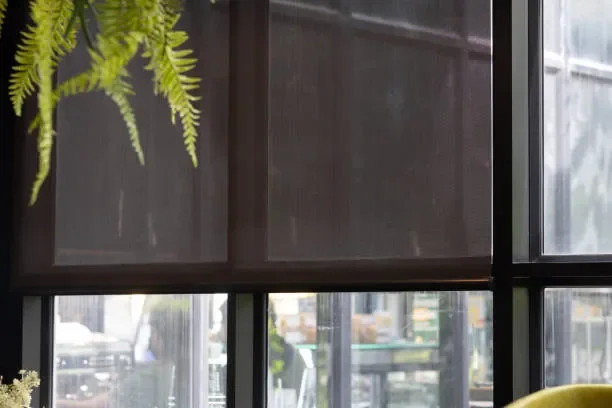
Blinds remain a favorite for homeowners who love crisp lines and quick light adjustments. Wood blinds bring warmth and a classic feel to living rooms and dens. Faux wood blinds offer a similar look but resist moisture, which makes them a smart choice for kitchens and bathrooms. Aluminum blinds stay lightweight, durable, and budget-friendly.
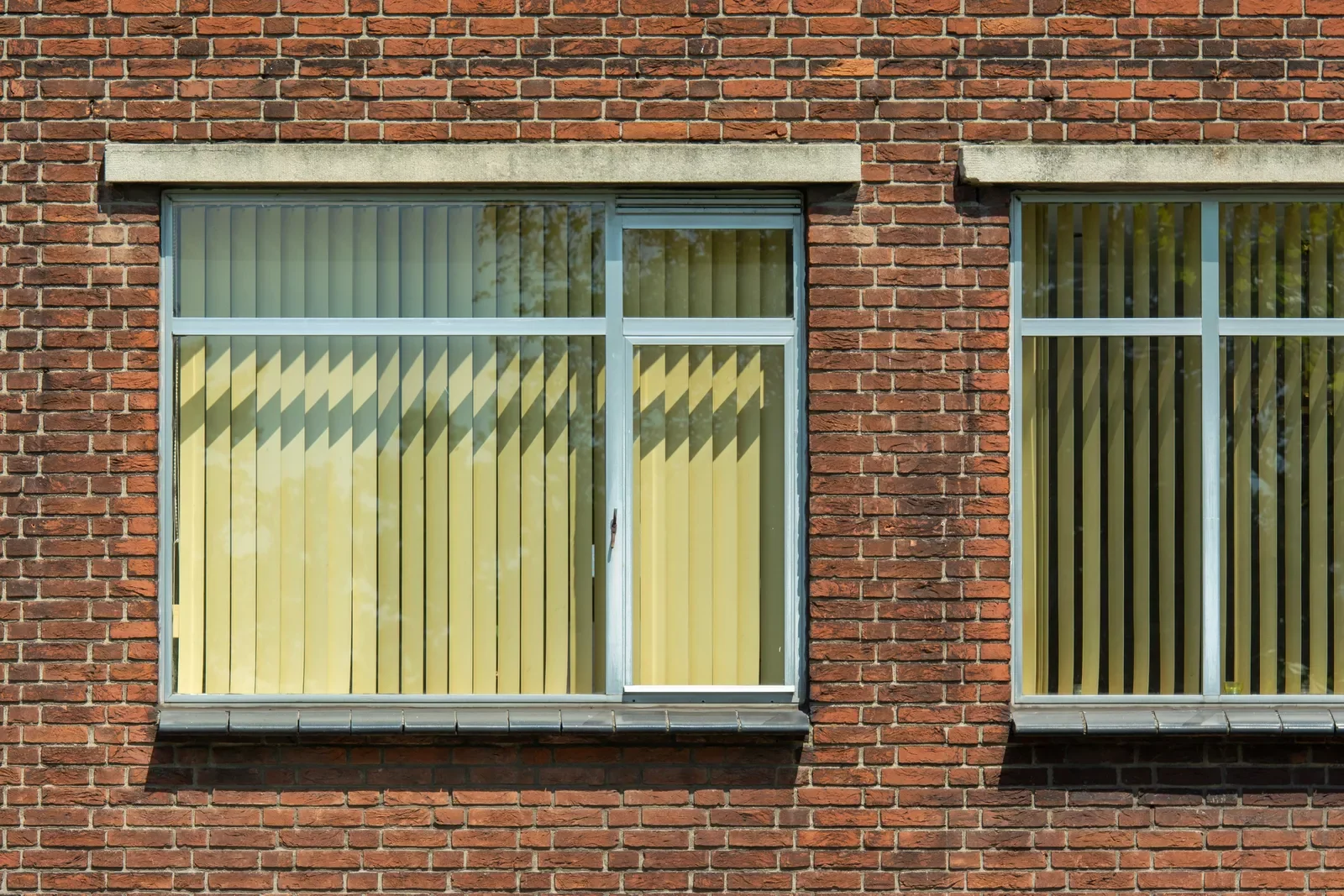
Vertical blinds work beautifully on sliding glass doors and extra-wide windows. Their slats stack neatly to one side, so you can walk through doorways without any fuss. Panel-track systems take a similar approach with wider fabric panels that glide smoothly along a track. These options give large openings a clean, modern finish.
Material and finish choices have grown a lot in recent years. The range of custom window blinds available today includes rich stains, painted finishes, and metallic tones that suit nearly any décor. Many homeowners mix window shades and blinds throughout the house to get the best of both worlds.
Shade Styles for Every Look
Shades come in more varieties than most people expect. Each style handles light, privacy, and insulation a little differently. Here are some of the most common options you will come across:
Cellular shades: Their honeycomb-shaped pockets trap air to keep rooms warmer in winter and cooler in summer.
Roller shades: These offer a clean, minimal look in both light-filtering and blackout fabrics.
Roman shades: Soft fabric folds create an elegant, tailored style that suits traditional spaces.
Solar shades: They cut glare and UV rays while preserving your view of the outdoors.
Woven wood shades: Natural materials like bamboo and grasses add texture and organic warmth.
Sheer shades: Soft fabric vanes float between sheer layers to diffuse daylight gently.
Every shade style has its strengths, and many now include cordless or motorized lifts for added convenience. As you weigh window shades and blinds side by side, think about which features matter most in your everyday life. A few thoughtful answers now will save you from second-guessing later.
How to Choose Window Shades and Blinds for Each Room
Every room has its own job, so your window treatments should support it. Bedrooms usually call for blackout or room-darkening options that encourage restful sleep. Living rooms benefit from light-filtering styles that soften harsh sun while keeping the space bright. Kitchens and bathrooms need moisture-resistant materials that hold up to steam and splashes.
Home offices deserve special attention, since glare on a screen gets frustrating fast. Solar shades or adjustable blinds let you tame the light without losing your view. For kids' rooms and nurseries, cordless designs remove dangling cords and add real peace of mind. Thinking about window shades and blinds room by room makes the whole decision feel far more manageable.
Style matters just as much as function. Consider your existing furniture, wall colors, and flooring before settling on a fabric or finish. Neutral tones create a calm backdrop, while bold patterns can turn a plain window into a focal point.
Balancing Light Control, Privacy, and Energy Efficiency
Light control and privacy often pull in opposite directions. You may want bright sunlight in the afternoon but full privacy after dark. Top-down/bottom-up shades solve this by letting you open the top while covering the lower half of the window. Blinds strike a similar balance when you tilt the slats upward to block sightlines.
Energy efficiency deserves a spot on your checklist too, especially through a Chicago winter. A fact sheet from the US Department of Energy notes that windows are often a weak point in home efficiency. They let heat escape in cooler months and allow solar heat gain in warmer ones. It also cites Lawrence Berkeley National Laboratory simulations showing cellular shades save more energy than other shading devices.
Insulating designs make the biggest difference here. Cellular shades stand out because their layered structure creates a buffer between the glass and your living space. Choosing well-insulated window shades and blinds can help your home stay cozy in January and comfortable in July.
Custom Fit, Expert Help, and Your Next Step
Off-the-shelf products rarely fit perfectly, and small gaps around the edges let in light and drafts. Custom window treatments match your exact measurements, so they look polished and perform better. Professional installation adds another layer of confidence, especially for large, oddly shaped, or hard-to-reach windows. It also makes motorized shades and smart-home controls far easier to set up.
That is where Windy City Blinds comes in. For more than 20 years, our team has helped Chicagoland homeowners find window shades and blinds that suit their spaces and lifestyles. Our design consultants bring samples right to your door, so you can see colors and textures in your own natural light. We handle every step from measuring to installation and keep the process simple from start to finish.
When you feel ready to explore your options, we invite you to book a complimentary in-home consultation with our friendly design team. We would love to hear about your home and help every window look and feel its best.