
Cordless Blinds: Benefits, Options & What to Consider
Cordless window blinds have quickly become one of the most popular upgrades for homeowners who want a cleaner, safer look. Instead of dangling strings, they rely on simple hand controls or small motors to raise, lower, and tilt. The result is a window treatment that feels modern and easy to live with.
Still, going cordless is not a one-size-fits-all decision. Your windows, your household, and your daily routine all shape which option makes sense. This guide walks through how these blinds work, what they offer, and what to weigh before you buy.
How Cordless Window Blinds Work
Traditional blinds use a pull cord that runs through the headrail to lift and lower the slats. Cordless window blinds replace that system with a hidden spring or tension mechanism tucked inside the headrail. You simply push the bottom rail up or pull it down, and the blind stays right where you leave it.
Many models also trade the tilt cord for a slim wand or a tilt handle built into the bottom rail. Others skip manual operation entirely and use a quiet motor, a remote, or a smartphone app. Across wood, faux wood, and aluminum styles, many of our custom blinds offer cordless lift systems that suit different rooms and budgets.
The Everyday Benefits of Going Cordless
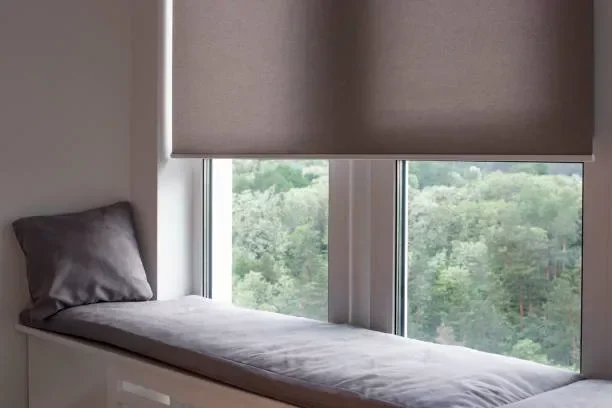
The first thing most homeowners notice is the cleaner look. Without strings hanging down the side, your windows appear tidier and more intentional. That uncluttered style works especially well in modern condos, minimalist spaces, and rooms with plenty of glass.
Cordless window blinds are also easier to use day to day. You never have to untangle strings, wrap cleats, or fix uneven slats after a stuck pull. A gentle push or pull does the work, and many people find that motion smoother than tugging a cord. Fewer moving strings also means less wear and tear over time.
Cleaning gets simpler too. With nothing dangling, you can dust the slats or wipe the fabric without working around loose cords. It is a small perk, but it adds up when you have a whole house of windows to care for.
Safety Considerations for Kids and Pets
Safety is the reason many families make the switch. The U.S. Consumer Product Safety Commission reports that roughly nine children under five die each year from window cord strangulation. The agency encourages families with young children to replace corded products with cordless ones. Cordless window blinds remove the most obvious hazard, which is a loose, looping cord a curious toddler can reach.
Pets benefit as well. Cats love to bat at dangling strings, and dogs can get tangled while peeking outside. Grandparents and anyone who hosts young visitors may also appreciate the added peace of mind. Even without kids at home, child-safe window treatments take one small worry off your list.
Popular Operating Options to Compare
Not every set of cordless window blinds works the same way. The right choice depends on your window size, its placement, and how often you adjust your blinds. Here are the most common options homeowners consider:
Push-and-pull lift: You raise or lower the blind by hand using the bottom rail. It is simple, affordable, and great for standard windows within easy reach.
Top-down/bottom-up: This design lets you lower the top or raise the bottom on its own. It keeps the lower half private while daylight still pours in from above.
Wand control: A slim wand lets you lift, lower, or tilt without touching the slats or fabric. It helps with wider windows or ones that sit a little higher.
Motorized operation: A remote, wall switch, or app controls the blind for you. It suits tall or hard-to-reach windows and pairs nicely with smart home schedules.
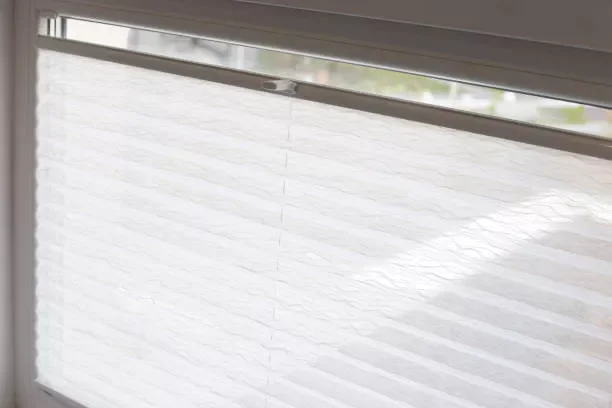
Many shades come in cordless versions, too, not just slatted blinds. Honeycomb styles like our cellular shades often combine cordless lift systems with strong insulating value. Mixing operating types from room to room is perfectly normal and often makes the most sense.
What to Consider Before Buying Cordless Window Blinds
Start with the size and weight of your windows. Very large or heavy blinds can take more effort to lift by hand, so motorization may feel more comfortable. Also think about reach, since a window above a sink, tub, or staircase can be awkward to operate manually.
Cordless window blinds also vary in how much light, privacy, and heat control they provide. Slat size, material, and fabric choice all play a role in how a room feels. The U.S. Department of Energy notes that the right window coverings can help reduce heat gain in summer and heat loss in winter. That matters in a city with Chicago's hot summers and bitter winters.
Fit and budget deserve attention, too. Cordless mechanisms depend on precise sizing, and a slightly off measurement can affect how smoothly the blind moves. Motorized systems cost more upfront but can save real hassle on high or oversized windows. Professional measuring and installation help the tension system perform the way it should for years.
Finding the Right Fit With Windy City Blinds
Choosing cordless window blinds is much easier when someone can see your space in person. Windy City Blinds has spent more than 20 years helping Chicagoland homeowners and businesses find window treatments that suit their rooms and routines. Our design consultants bring samples to you, measure every window, and handle professional installation from start to finish.
If you are wondering whether cordless blinds are right for your home, we would love to help you sort through the choices. Our friendly team can set up a relaxed, in-home consultation at a time that works for you. Reach out to the Windy City Blinds team today, and let's find a cordless solution that feels made for your windows.