
Interior Shutters for Windows: A Complete Buying Guide
Interior shutters are among the most timeless window treatments a homeowner can choose, and understanding what you are buying helps before you commit. Unlike blinds or curtains, shutters provide a permanent, built-in upgrade that adds structure, light control, and lasting value to any room. This guide covers the styles, materials, and practical considerations that matter most.
What Are Interior Shutters?
Interior shutters are among the most timeless window treatments homeowners can choose. Understanding what you are buying before committing can help. Unlike blinds or curtains, shutters provide a permanent, built-in upgrade. They add structure, light control, and lasting value to any room. This guide covers the styles, materials, and practical considerations that matter most.

Popular Styles of Interior Shutters
Not all interior shutters look or function the same way. The style you choose affects light levels and the room's overall feel. Here are the four styles homeowners request most.
Plantation shutters are the most requested style today. They feature wide louvers, typically two and a half to four and a half inches. These louvers provide generous light while maintaining privacy. Their clean lines complement nearly any design style, from traditional homes to modern farmhouses.
Cafe shutters cover only the lower half of the window. The upper portion remains open, allowing natural light to enter. This style works well in kitchens, bathrooms, and street-facing rooms. It provides privacy at eye level without sacrificing daylight.
Full-height shutters cover the entire window. They are a popular choice for living rooms, bedrooms, and formal spaces. They provide consistent light control and create a polished, cohesive appearance.
Tier-on-tier shutters divide the window into two independently operable sections. You can open the top while keeping the bottom closed, or vice versa. This design provides greater flexibility for privacy and light control.
Materials to Consider
The material you choose affects both the look and the performance of your shutters.
Hardwood offers a rich, authentic appearance and can be stained or painted to match your interior. It performs best in climate-controlled rooms.
Faux wood is built from engineered composites or vinyl, making it more resistant to moisture and temperature swings. This makes it a smart pick for kitchens, bathrooms, and basements.
Vinyl is the most budget-friendly option and holds up well in humid environments, though it offers fewer finish choices than wood or faux wood alternatives.
Each material comes in a range of finishes, from painted whites to natural wood stains, so you have plenty of room to match your existing decor.
Benefits of Choosing Interior Shutters
Homeowners gravitate toward shutters for a few consistent reasons. They provide precise light and privacy control. Adjusting the louvers lets you filter sunlight without closing off the room. Built-in shutters can also increase home value. Appraisers and buyers often view them as permanent upgrades rather than decorative extras. Shutters are also easy to maintain. A quick wipe with a damp cloth usually keeps them looking new.
There is also a practical energy benefit worth mentioning. According to the U.S. Department of Energy, operable window coverings, such as shutters, help homeowners manage heat and light throughout the year. This control can reduce solar heat gain during summer and retain warmth during winter. For homes with large or south-facing windows, shutters can noticeably improve comfort and reduce utility costs.
Customization Options
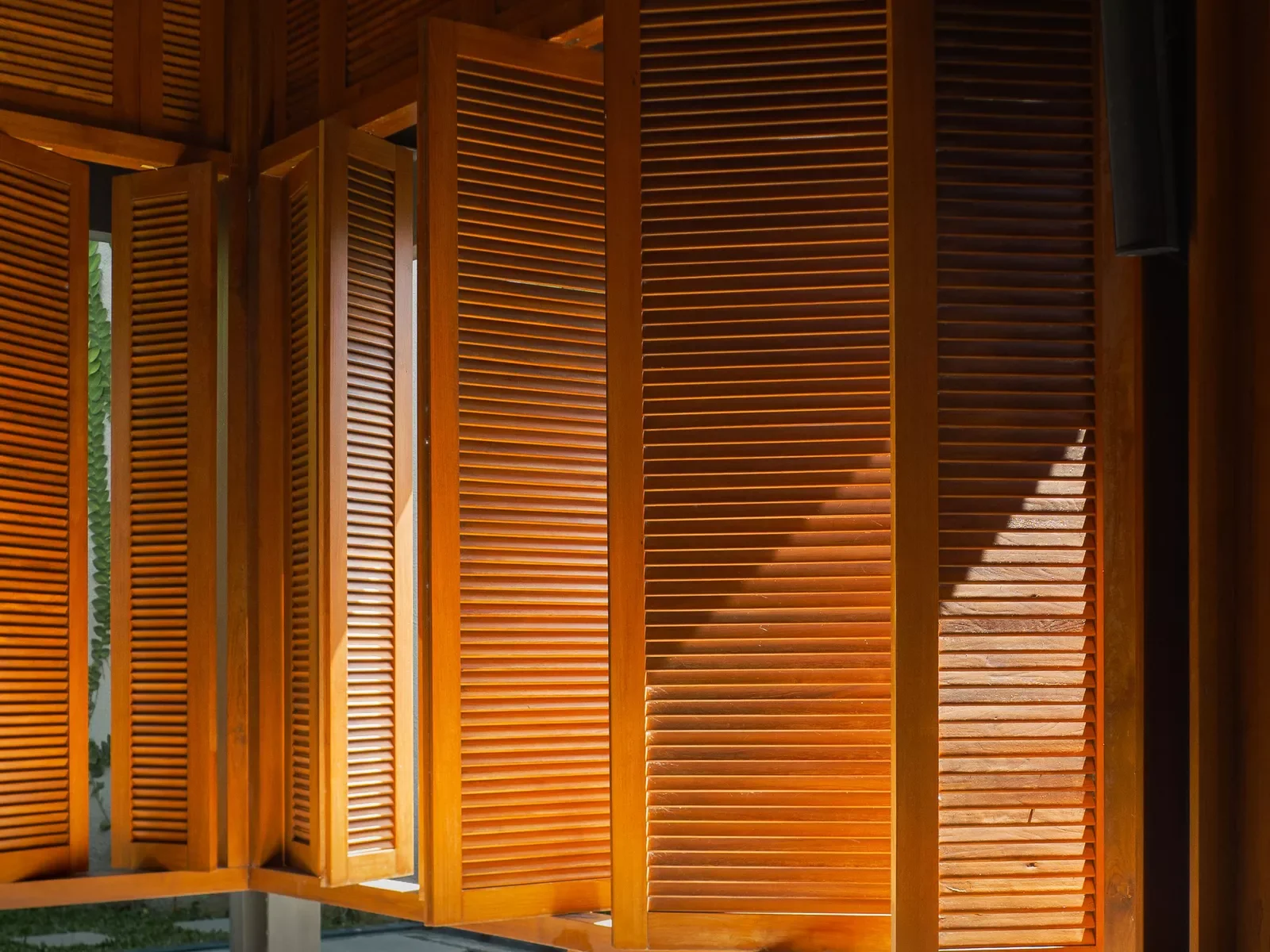
Interior shutters are almost always made to order, which means you have more design flexibility than with off-the-shelf blinds. Common customization choices include:
Louver size, ranging from narrow slats for a traditional look to wide louvers for a more contemporary feel
Frame style, including standard L-frames for a recessed look or Z-frames for a decorative, wall-mounted finish
Paint and stain colors matched to your trim, cabinetry, or furniture
Hidden tilt rods for a cleaner, more modern appearance
Specialty shapes for arched, angled, or oversized windows
Because every window in a home rarely matches exactly, working with a company that measures and builds shutters room by room, rather than selling generic sizes, usually produces a much better fit. If you want to compare shutters against other options first, Windy City Blinds' window treatment resources are a helpful place to start.
What to Consider Before You Buy
A few practical questions can help narrow down your decision. Think about the room's humidity level, since bathrooms and kitchens generally call for faux wood or vinyl rather than hardwood. Consider how much natural light you want day to day, which will point you toward wider or narrower louvers. Factor in your budget, since hardwood tends to sit at the higher end while vinyl is the most economical. Finally, think about your home's overall style, since the finish and frame details should feel consistent with the rest of your interior.
Measuring is another area where it pays to get it right the first time. Even small inaccuracies can leave gaps or misaligned panels, which is one reason many homeowners choose to have their shutters professionally measured and installed rather than tackling a DIY project.
Finding the Right Shutters for Your Home
Choosing interior shutters is as much about fit and craftsmanship as it is about style. Windy City Blinds has spent years helping local homeowners select the right materials, louver sizes, and finishes for every room, from sunlit living areas to humid bathrooms.
Windy City Blinds provides in-home consultations, precise measuring, and professional installation, so your shutters fit the way they are meant to from day one. If you are ready to see samples and talk through your options with a local expert, you can schedule a consultation and get personalized guidance for your windows.