
Roller Shades: How to Choose the Right Style
Roller shades are one of the most popular window treatments today, and it's easy to see why. They're clean, versatile, and fit almost any room in the house, from a sunny kitchen nook to a cozy bedroom. But "roller shades" is a broad category, and picking the right one for your windows means thinking through a few key decisions: light control, privacy, fabric, and how you want the shade to operate. Here's a friendly walkthrough to help you choose with confidence.
What Makes Roller Shades So Popular?
At their core, roller shades are a single piece of fabric that rolls up and down around a tube, usually mounted at the top of the window. That simplicity is exactly what makes them so appealing. There are no slats to dust, no cords tangling in a corner, and no bulky stacks of fabric taking up space when the shade is raised. The flat, tailored look works beautifully in modern spaces, but roller shades also soften nicely under drapery panels in more traditional rooms. If you're browsing custom roller shades, you'll notice how many fabric and color options exist, which means the style can flex to match nearly any decor.
Choosing the Right Light Control
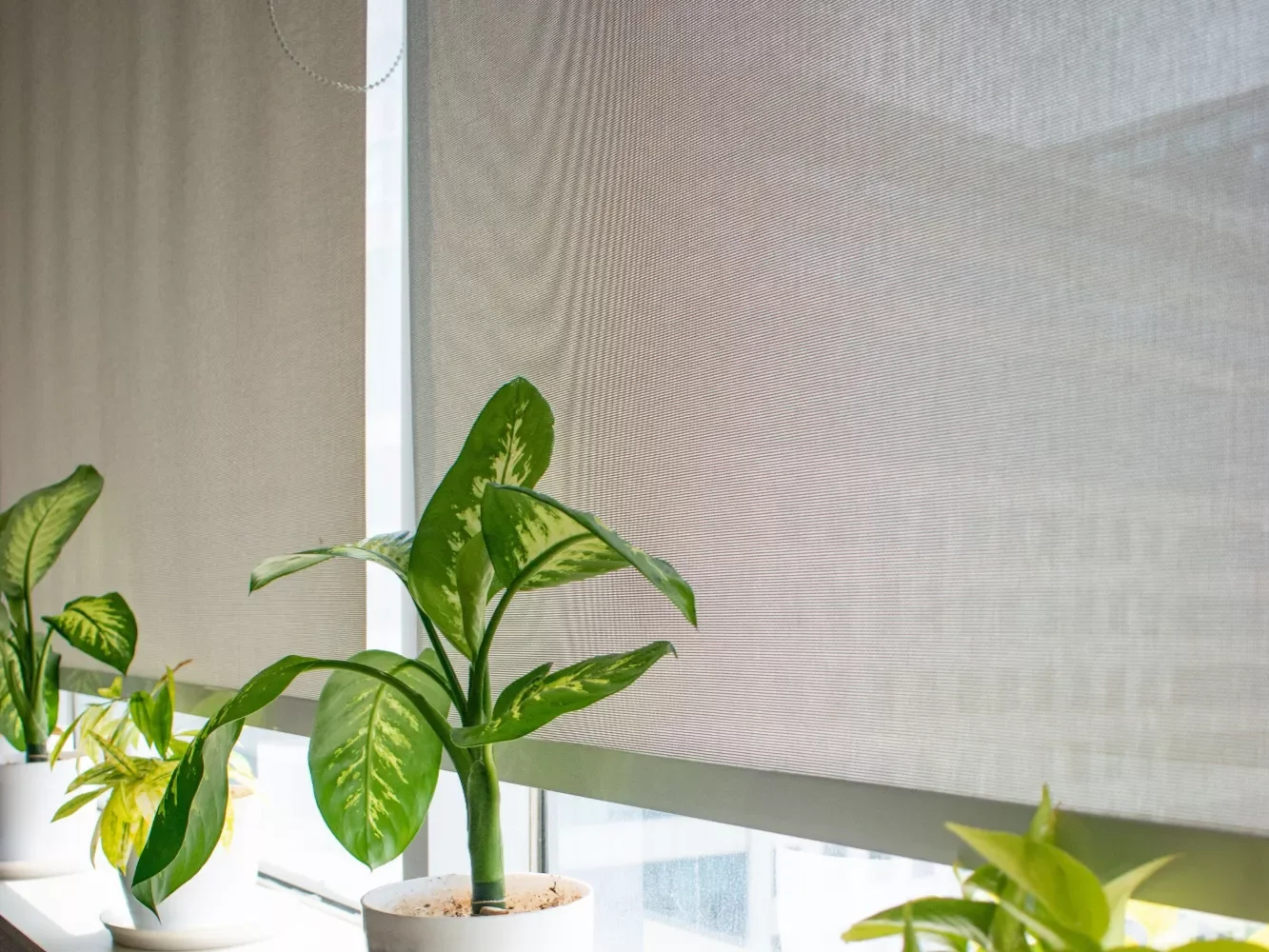
Light control is usually the first thing homeowners think about, and roller shades offer a wide spectrum of options.
Sheer or light-filtering fabrics let in soft, diffused light while still offering some privacy during the day. These work well in living rooms or kitchens where you want brightness without harsh glare.
Room-darkening fabrics block most incoming light and are a favorite for bedrooms, nurseries, and home theaters.
Blackout fabrics go a step further, eliminating nearly all outside light. These are ideal for shift workers, light-sensitive sleepers, or media rooms.
Solar shades filter UV rays and reduce glare while still preserving your view outside, which makes them a great fit for rooms with large windows or a lot of afternoon sun.
Because each room in your home tends to have different needs, many homeowners mix and match fabric types from room to room rather than choosing just one across the whole house.
Roller Shade Materials and Fabrics
Fabric choice shapes both the look and the function of a roller shade. Natural-fiber blends bring texture and warmth, while polyester and vinyl-based fabrics tend to be more durable and easier to clean, which matters in kitchens or bathrooms where moisture and grease are a concern. Fabric openness, often listed as a percentage, determines how much light passes through: a low openness percentage means more privacy and less light, while a higher one lets in more brightness but offers less coverage after dark. Color also plays a role, since lighter fabrics tend to reflect heat and glare, while darker fabrics can create a more dramatic silhouette from the street at night.
Privacy Without Sacrificing Style
Privacy needs shift throughout the day, which is one reason dual roller shades have become so popular. These systems combine a sheer or light-filtering fabric with a room-darkening or blackout fabric on the same headrail, so you can switch between the two depending on the time of day. It's a smart solution for street-facing windows, bedrooms, or bathrooms where privacy at night matters just as much as natural light during the day. Some homeowners also layer roller shades with drapery for an extra sense of coziness in living rooms and formal dining spaces.
Operating Systems: Manual, Cordless, and Motorized
How you raise and lower your shades matters just as much as how they look. A continuous clutch or chain system is a reliable, budget-friendly option that has been used for years. Cordless roller shades, which lift and lower with a simple pull or push, are a safer choice for homes with young children or pets, since there's no dangling cord. For the ultimate convenience, motorized roller shades can be controlled from a smartphone app, a remote, or even voice commands, and they can be programmed to open and close on a schedule. This is especially handy for hard-to-reach windows, skylights, or large solar shades where manual operation would be a stretch, literally.
Energy Efficiency Is a Real Benefit
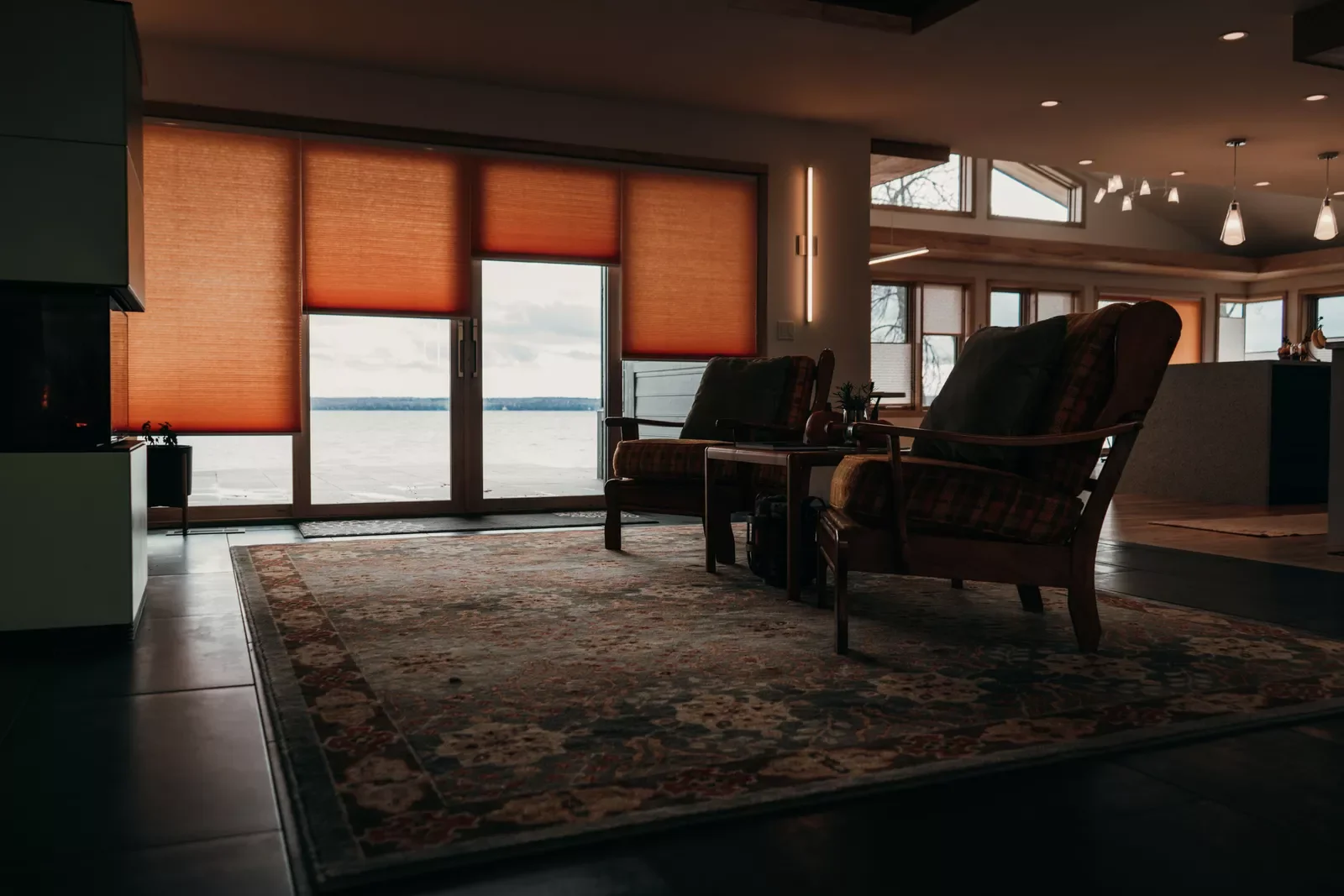
Roller shades aren't just about looks and privacy; they can also help your energy bill. Windows are responsible for a significant share of a home's heating and cooling loss, and according to the Building America Solution Center, a U.S. Department of Energy resource, interior window attachments like roller shades can meaningfully reduce solar heat gain and improve year-round comfort. Choosing a fabric with a lower openness factor or adding a light-colored backing can further help keep your home cooler in the summer and reduce heat loss in the winter.
Matching Roller Shades to Your Room
The best roller shade for your living room might not be the right choice for your nursery, and that's perfectly normal. Think about how each room is used before settling on a fabric and operating style. A home office might call for light-filtering fabric that reduces screen glare, while a bathroom benefits from a moisture-resistant material with a bit more privacy. Kids' rooms often do well with cordless or motorized options for safety, and formal spaces like dining rooms can handle richer textures and darker tones since they're used less throughout the day.
Let Windy City Blinds Help You Choose
With so many fabrics, light-control levels, and operating systems to consider, narrowing down the right roller shade can feel like a lot. That's where Windy City Blinds comes in. As a trusted window treatment resource for homes and businesses throughout Chicagoland, our team offers personalized, shop-at-home consultations to help you find the perfect fit for every window in your house, followed by professional measuring and installation from start to finish.
If you're ready to explore roller shades for your home, reach out to our team. We'd love to walk you through your options and help you find a style that fits both your windows and your everyday life.