
Motorized Blinds: Benefits, Features & How to Choose
Motorized blinds let you raise, lower, and tilt your window treatments with a tap, a voice command, or a schedule. They take the hassle out of hard-to-reach windows and give your home a clean, cord-free look.
Still, choosing the right system can feel a little overwhelming at first. This guide covers how the technology works, which features matter most, and whether it suits your home.
How Motorized Blinds Work
At their core, motorized blinds pair a quiet motor with the same slats or fabric found on manual treatments. The motor sits inside the headrail, so it stays hidden from view. When you send a command, the motor lifts, lowers, or tilts the treatment to your chosen position. Most motors run quietly enough that you will barely notice them.
Power usually comes from one of three sources. Rechargeable battery wands work well in existing homes because they need no new wiring. Hardwired systems connect to your electrical supply and suit new builds or major renovations. Some options also run on plug-in adapters or small solar panels.
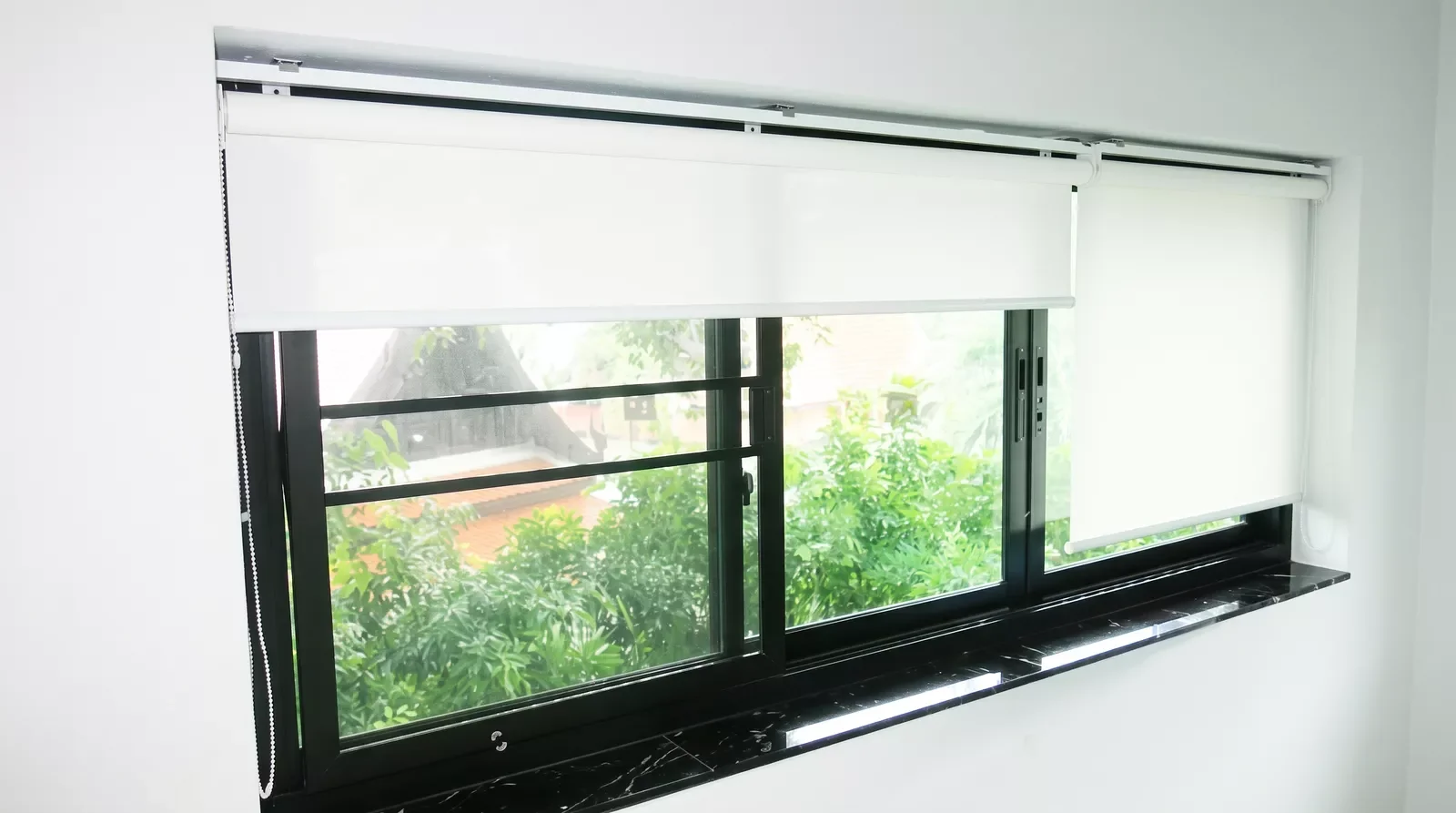
Most of today's popular window treatment styles can pair with a motor, including cellular shades, sheers, and roller shades. Adding motorization rarely means giving up the look you love.
The Everyday Benefits of Going Motorized
The biggest draw is convenience. You can adjust every window in a room at once without walking from one to the next. That matters for tall windows, skylights, or spots tucked behind furniture. It also helps anyone with limited mobility manage their windows with ease.
Safety is another strong reason homeowners upgrade. Motorized blinds remove dangling cords, which pose a serious strangulation risk for young children. The U.S. Consumer Product Safety Commission recommends cordless window coverings as the safest option for homes with kids.
Motorization also protects your furniture and floors. Lowering shades during peak sun hours helps reduce fading on hardwood, rugs, and upholstery. Scheduled adjustments can even make an empty home look lived-in while you travel.
Choosing Your Control Options
One of the best parts of motorized blinds is the variety of ways you can control them. The right choice depends on your routine, your comfort with technology, and how many windows you want to automate. Here are the most common options:
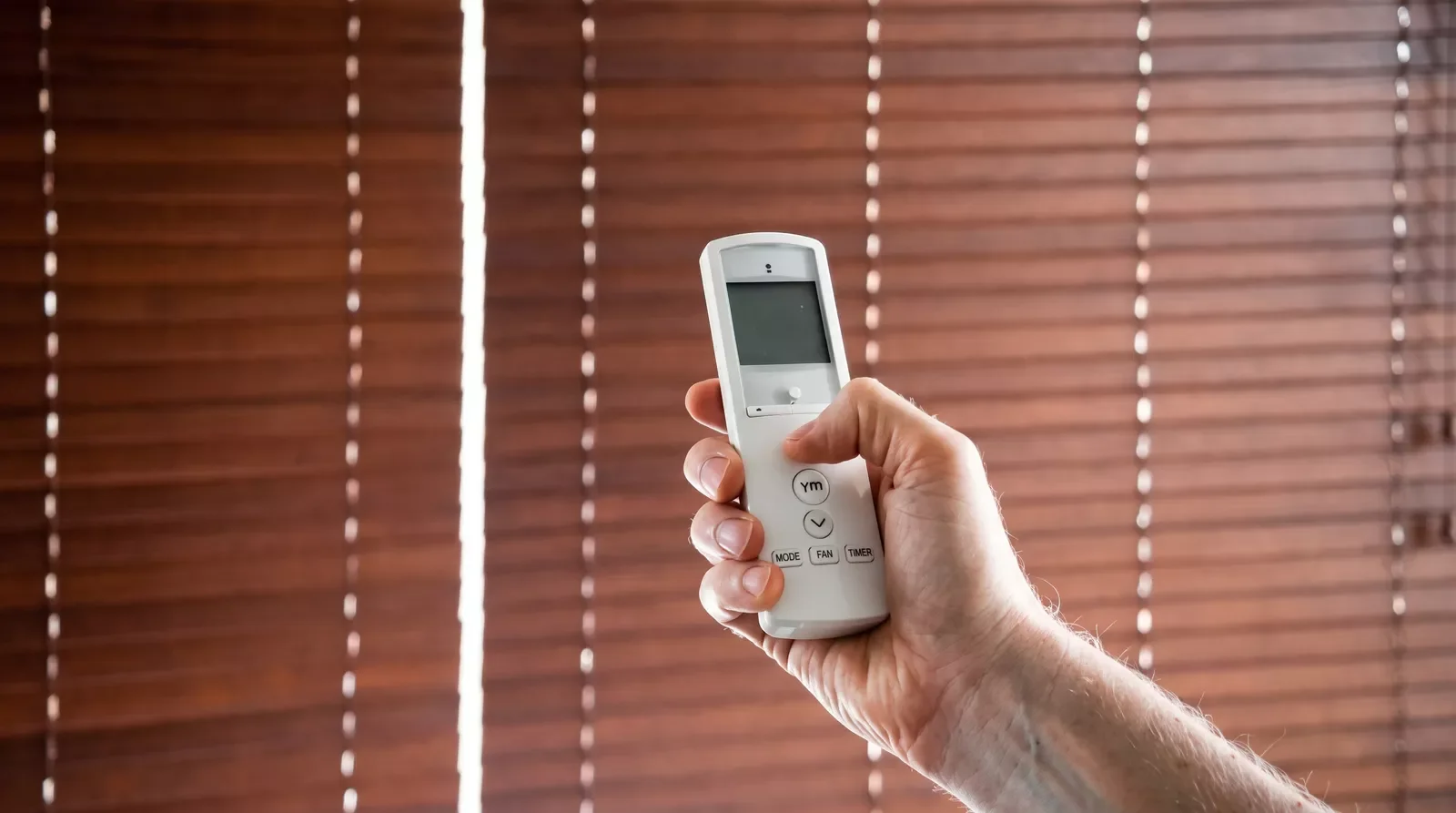
Handheld remotes: A simple remote controls one window or a whole group from anywhere in the room. Many remotes also save your favorite positions.
Wall switches and keypads: A wall-mounted control works just like a light switch. It gives everyone in the household an easy, familiar way to adjust the shades.
Motorized wands: A rechargeable wand replaces the traditional cord with a simple push button. It suits anyone who wants motorization without keeping track of a remote.
Smartphone apps: An app puts every window in your home on one screen. You can adjust, group, and schedule your treatments whether you are home or away.
Voice assistants: Compatible systems work with platforms like Amazon Alexa, Google Assistant, and Apple Home. A quick voice command opens the living room shades while your hands stay busy.
Many households mix and match these controls. A wand might suit a guest room, while an app runs the main living spaces. Your installer can help you pick the right mix for each room.
Smart-Home Features and Automation
Smart blinds take motorization beyond simple convenience. With scheduling, your motorized blinds can open gently at sunrise and close at dusk. Scenes let you move several windows to set positions with one command, such as a movie-night setting.
Systems such as PowerView motorization for roller shades let you manage every shade from a smartphone, tablet, or remote. Many setups can also tie their schedules to local sunrise and sunset times. You can even check and adjust your shades while you are at work.
Automation supports energy efficiency, too, especially through Chicago's hot summers and bitter winters. Closing shades on sunny afternoons blocks heat gain, and lowering them on winter nights helps hold warmth inside. The U.S. Department of Energy explains that well-chosen window coverings can reduce heat loss and gain through your windows.
Key Factors to Consider Before Buying Motorized Blinds
Before you commit, take a close look at your windows and how you use each room. A few practical questions can narrow your choices quickly. Taking time here saves you from costly surprises later.
Start with the power source. Battery-powered motorized blinds are easy to add to existing homes, while hardwired systems suit construction or remodeling projects. Rechargeable batteries often last several months between charges, depending on daily use.
Next, think about the fabric and light control each room needs. Room-darkening materials suit bedrooms, while light-filtering options keep living areas bright and comfortable. Sheer fabrics offer a softer glow if you want privacy without darkness. Window size and shape matter too, since oversized or specialty windows may need stronger motors or custom hardware.
Finally, weigh your budget against your smart-home plans. Motorization costs more upfront than manual lift systems, but it adds everyday ease and long-term value. If you already use a smart-home platform, confirm that your new system connects with it before you buy.
Finding the Right Fit for Your Home
Motorized blinds offer a simple way to make your home safer, more comfortable, and easier to manage. The best results come from matching the right motor, controls, and fabric to each window. Professional measuring and installation also help your system run smoothly for years.
That is where Windy City Blinds comes in. With over 20 years of combined experience, our team helps Chicago homes and businesses find treatments that fit their style. We bring samples right to your door, help you compare motorized options, and handle installation from start to finish.
Curious how automated shades could work in your space? Reach out to our friendly team, and let's talk through your windows together.