
Motorized Window Blinds: What to Know Before Buying
Motorized window blinds let you raise, lower, and tilt your window treatments without ever touching a cord. They have moved from a luxury add-on to a practical upgrade for many homes.
If you are weighing whether they fit your space, a little background goes a long way. This guide covers how they work, what they offer, and what to think about before you buy.
How Motorized Window Blinds Work
Every motorized system starts with a small, quiet motor tucked inside the headrail. When you send a command, the motor activates the lift or tilt mechanism for you. That command can come from a remote, a phone app, a wall switch, or a smart home hub.
The motor replaces the cords and wands you would normally pull by hand. Most motorized window blinds use the same slats and fabrics as their manual counterparts, so you don't have to sacrifice style. You can still choose wood, faux wood, or aluminum from a full range of custom window blinds and add motorization to your preferred style.
Everyday Benefits Worth Considering
Convenience is the obvious draw, but it is only the start. Motorized window blinds also make life easier in ways many homeowners do not expect.
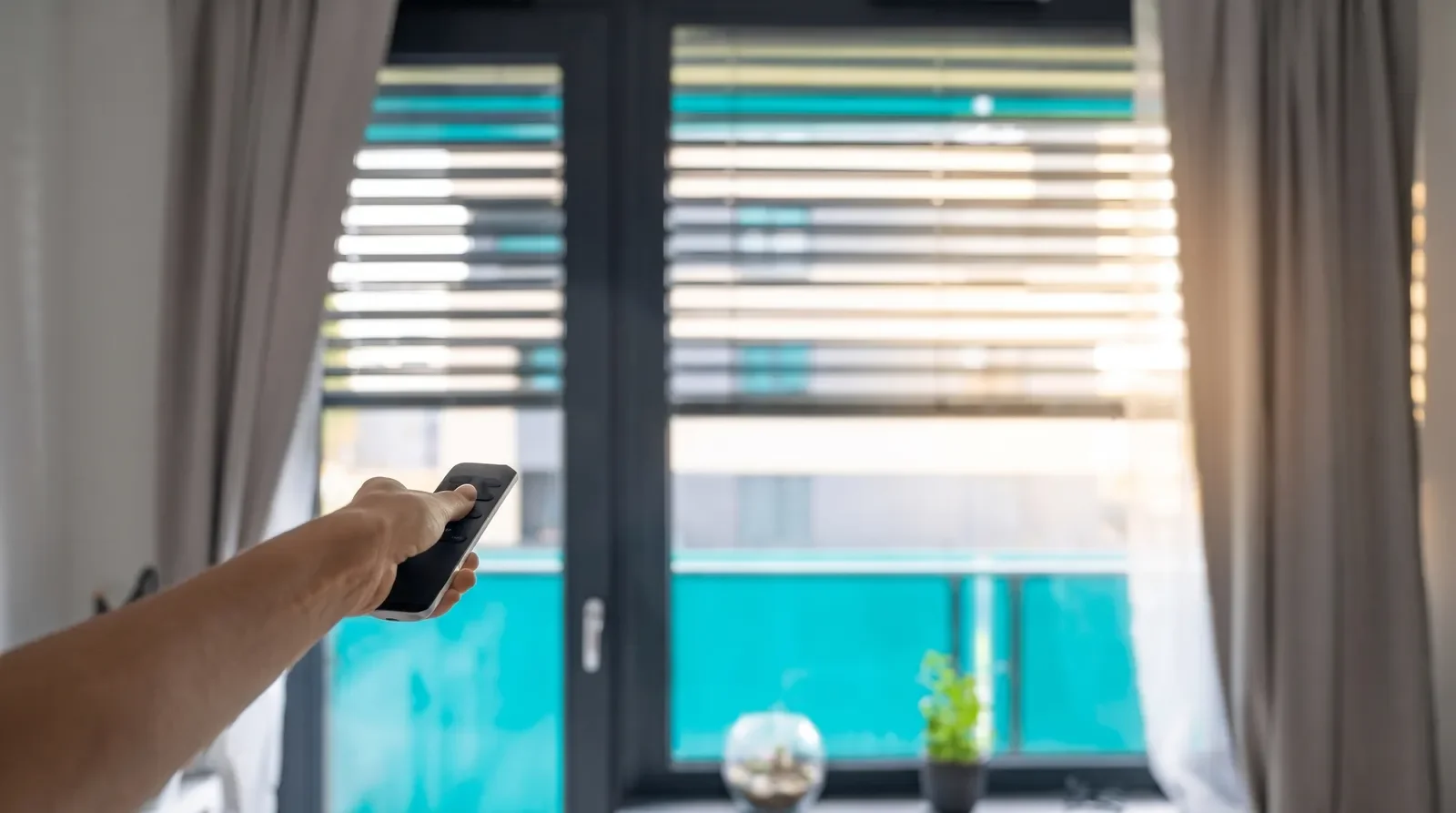
Hard-to-reach windows become simple to manage. Think of tall living room windows, skylights, or the glass behind a deep kitchen counter. One tap adjusts them all, with no step stool required.
Safety is another big advantage, especially for families with young children or pets. Loose cords pose a real strangulation risk. The U.S. Consumer Product Safety Commission urges families to choose cordless window coverings in homes with kids. A motorized system removes those cords entirely.
Motorized blinds also help protect your interiors. Lowering them during peak sunlight hours can reduce fading on floors, artwork, and furniture. They also help minimize glare on TV and computer screens.
Operating Options for Motorized Window Blinds For Your Routine
Not everyone wants the same level of control. Some people like a simple handheld remote, while others want full automation.
A remote is the easiest entry point. Many remotes control a single window, a group of windows, or an entire room at once. Wall-mounted switches work well in high-traffic areas, since they stay put and never disappear into the couch cushions.
App control adds more flexibility. You can adjust motorized window blinds from anywhere in the house, or even from across town. Many apps also let you save favorite positions as scenes for movie night or morning coffee. Whatever you choose, the controls should feel natural for everyone in the household, including guests.
Smart-Home Features and Automation
This is where motorized window treatments really stand out. Most modern systems work with popular voice assistants and home automation platforms, allowing you to adjust your shades with a simple voice command. With one quick instruction, you can control multiple shades throughout the room.
Scheduling is another feature that makes motorized blinds especially convenient. You can program them to open at sunrise and close after sunset, even when you're away from home. This creates the appearance of an occupied home while helping maintain privacy throughout the day.
Automation can also support energy efficiency. According to the U.S. Department of Energy, the right window attachments can reduce heat loss in winter. They can also limit unwanted heat gain in summer. A schedule simply makes sure your blinds sit in the right position at the right time.
Pairing motorization with insulating styles like cellular honeycomb shades can boost those benefits even further.
Choosing a Power Source
Motorized window blinds run on one of three main power options. Each one comes with its own trade-offs.
Battery-powered motors are the easiest to install, since they need no wiring. You will recharge or swap the batteries every so often, depending on how often you use them. Rechargeable battery wands make that task quick and tidy.
Hardwired motors connect directly to your home’s electrical system. They never need charging, though they do require an electrician. That makes them a strong fit for new construction or major remodels. Solar panels offer a third path for sunny windows, keeping batteries topped up on their own.
Key Factors Before Buying Motorized Window Blinds
Before you commit, it helps to think through a few practical details. Asking these questions early saves time and prevents surprises later.
Window size and shape. Large, wide, or oddly shaped windows may need a stronger motor or a specific blind style.
Room function. Bedrooms often call for blackout fabrics, while living rooms may benefit from light-filtering options.
Smart-home compatibility. Check that the system works with the platform you already use.
Budget. Motorization adds to the upfront cost, so you may choose to motorize only the windows that matter most.
Installation. Precise measuring and mounting help the motor run smoothly and quietly for years.
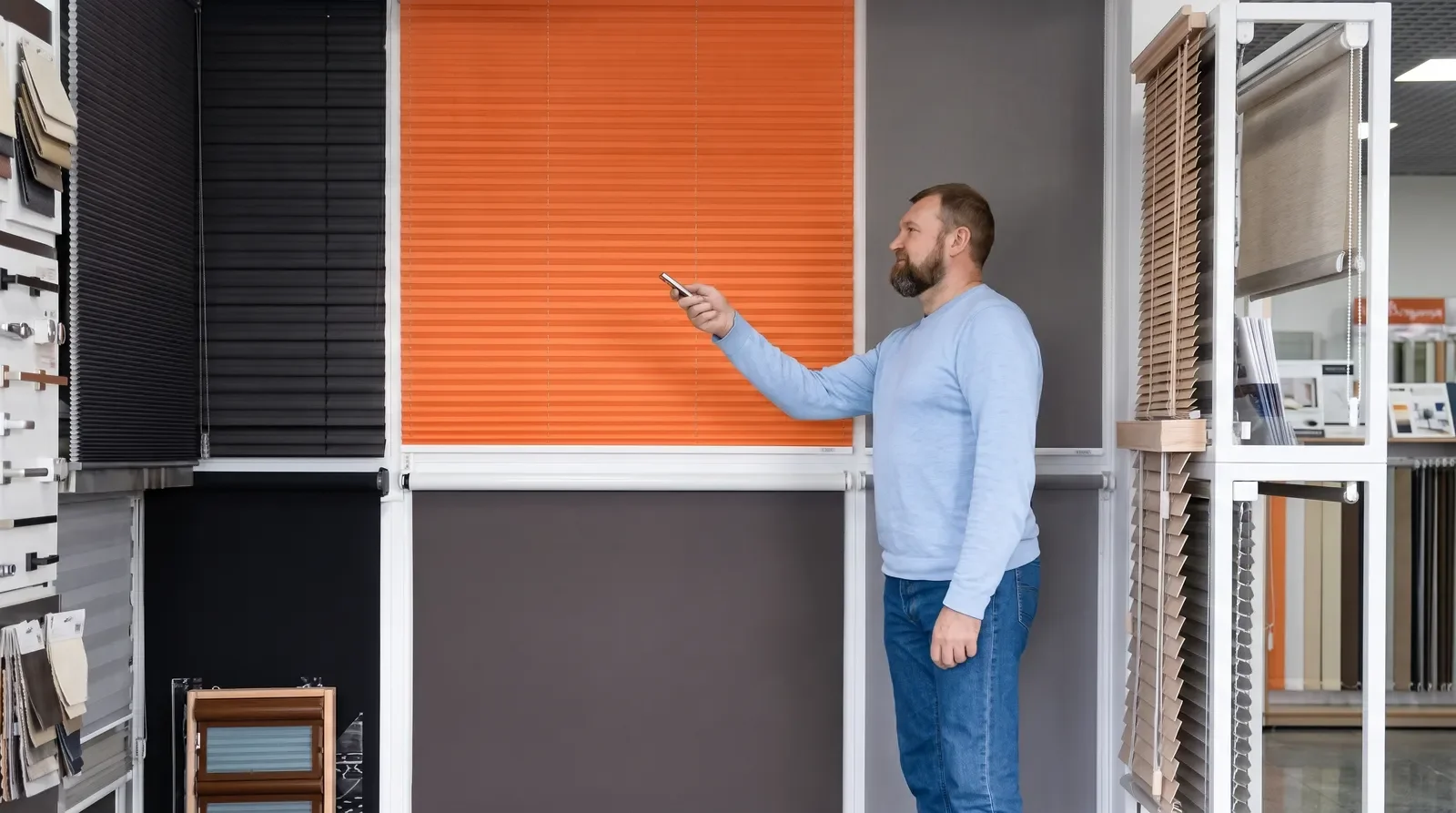
Thinking through these points helps you choose motorized window blinds that feel tailored, not generic. A knowledgeable consultant can also walk you through options you might not know exist.
Finding the Right Fit for Your Home
Motorized window blinds are not a one-size-fits-all purchase. The best results come from matching the motor, fabric, and controls to the way you actually live. An expert makes that kind of planning much easier.
Windy City Blinds has helped homeowners across Chicagoland find the right window treatments for over 20 years. Our shop-at-home design consultants bring samples directly to you, measure every window, and handle professional installation from start to finish. We can show you how motorization pairs with blinds, shades, and other styles. That way, you can compare them in your own light.
Curious how motorized blinds would look and feel in your rooms? Set up a complimentary in-home consultation and chat with our team about what you have in mind. We would love to help you find a setup that makes every day a little easier.