
Light Filtering Roller Shades: What to Know Before Buying
Light filtering roller shades are one of the most popular window treatment choices for homeowners today. They soften daylight instead of blocking it out. If you have ever walked into a room and noticed sunlight that glowed rather than glared, a light filtering shade was probably doing the work. Before you commit to a style or fabric, it helps to understand how these shades actually function and what matters most for your space.
What Are Light Filtering Roller Shades?
Light filtering shades are made from fabrics woven tightly enough to soften sunlight, but not so tight that they block it completely. Think of them as the middle ground. Sheer shades let in a lot of light but offer little privacy. Blackout shades block nearly everything, including the view. A light filtering roller shade spreads daylight evenly across a room while still keeping outside eyes from seeing in.
This makes them a favorite for living rooms, kitchens, dining rooms, and home offices. Basically, any space where you want brightness and comfort together. In bedrooms, they are sometimes paired with a blackout shade or liner, giving homeowners flexibility depending on the time of day.
How They Control Light and Privacy
The amount of light a roller shade filters comes down to opacity. This is largely determined by the fabric's weave and weight. Fabrics are typically categorized by openness factor, a percentage that tells you how much light passes through. A lower openness factor means less light and more privacy. A higher openness factor means more brightness, but slightly less coverage.
It is worth testing a few samples in your actual room before deciding. The same fabric can look very different depending on your home's orientation and how much direct sun a window gets. A north-facing window with limited direct light often does well with a sheerer fabric. A south- or west-facing window that gets strong afternoon sun may call for a lower openness factor to cut down on glare and heat.
Room Use Matters More Than You Might Think
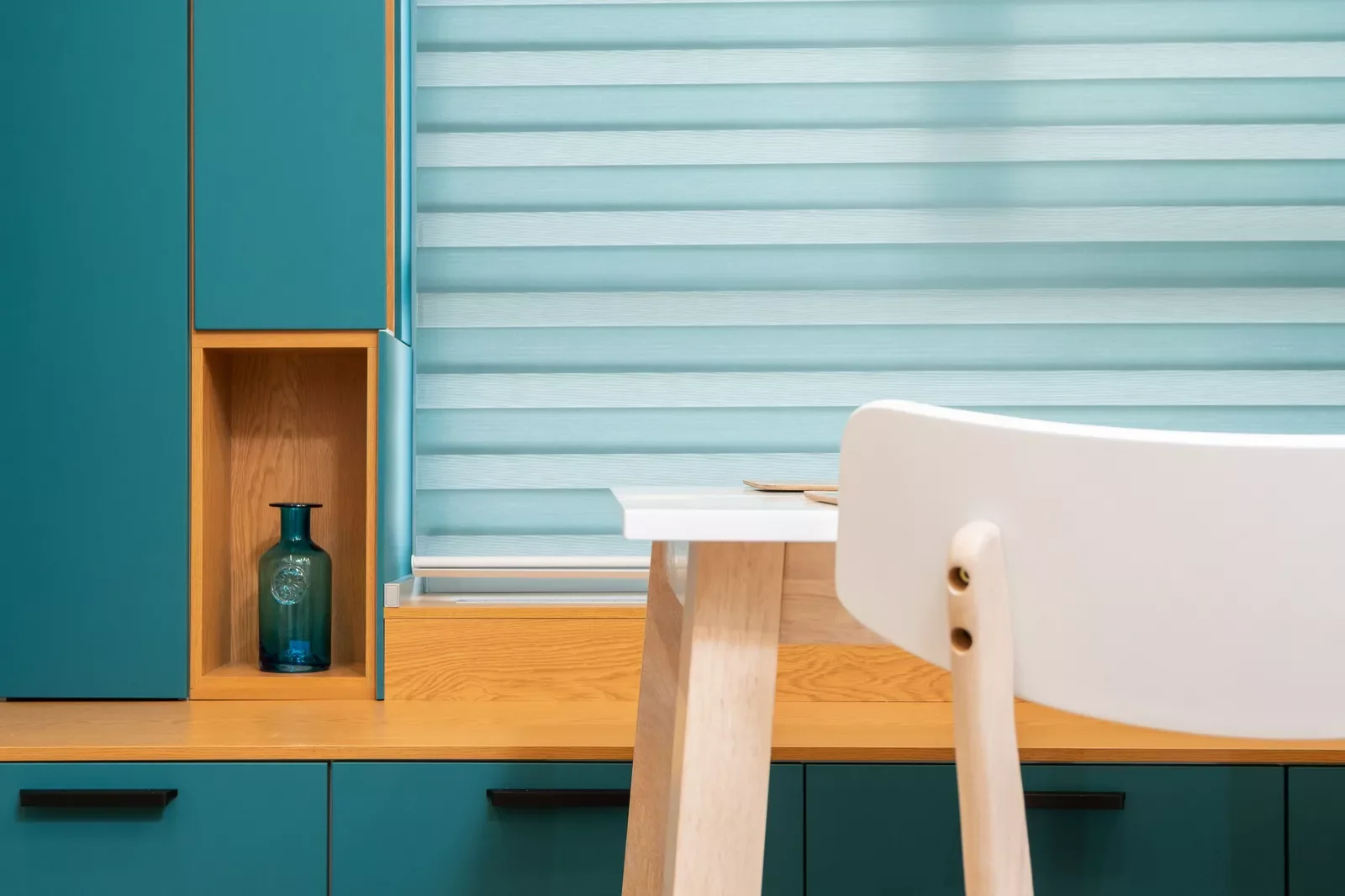
Think about how a room is actually used before choosing a shade. A home office benefits from filtering that reduces screen glare without making the space feel dim. Eye strain is a common complaint when light filtering isn't dialed in correctly. A kitchen or breakfast nook often works well with a lighter fabric that keeps things feeling open and sunny. Bedrooms and media rooms tend to call for heavier opacity, or a layered approach that adds a blackout option for nighttime.
Households with shift workers, young children who nap during the day, or light-sensitive family members have their own set of needs. It is worth discussing these room by room with a design consultant rather than guessing from fabric swatches alone.
Fabric, Texture, and Style Considerations
Beyond opacity, fabric choice shapes the overall look of a room. Woven textures add subtle dimension and warmth. Smooth, flat weaves give a cleaner, more contemporary look. Color plays a role too. Lighter fabrics brighten a room and blend into most palettes. Darker fabrics create contrast and make more of a design statement.
Durability matters as well, and it's easy to overlook. Rooms with high humidity, like kitchens and bathrooms, do better with moisture-resistant fabrics. Rooms with a lot of direct sun benefit from fade-resistant materials, so the color holds up over the years.
Motorization and Ease of Use
Motorized roller shades have become increasingly popular, and for good reason. Raising or lowering shades with a remote, an app, or a voice command adds real convenience. This is especially true for hard-to-reach windows or a wall with several shades that need to move together. Motorization also supports scheduling. Shades can adjust automatically throughout the day to manage light and temperature, without you having to think about it.
Manual roller shades remain a reliable, budget-friendly option. They work particularly well for smaller windows or rooms where the shade won't be adjusted often. The right choice usually comes down to budget, how many windows you're covering, and how much daily flexibility you want.
The Energy Efficiency Angle
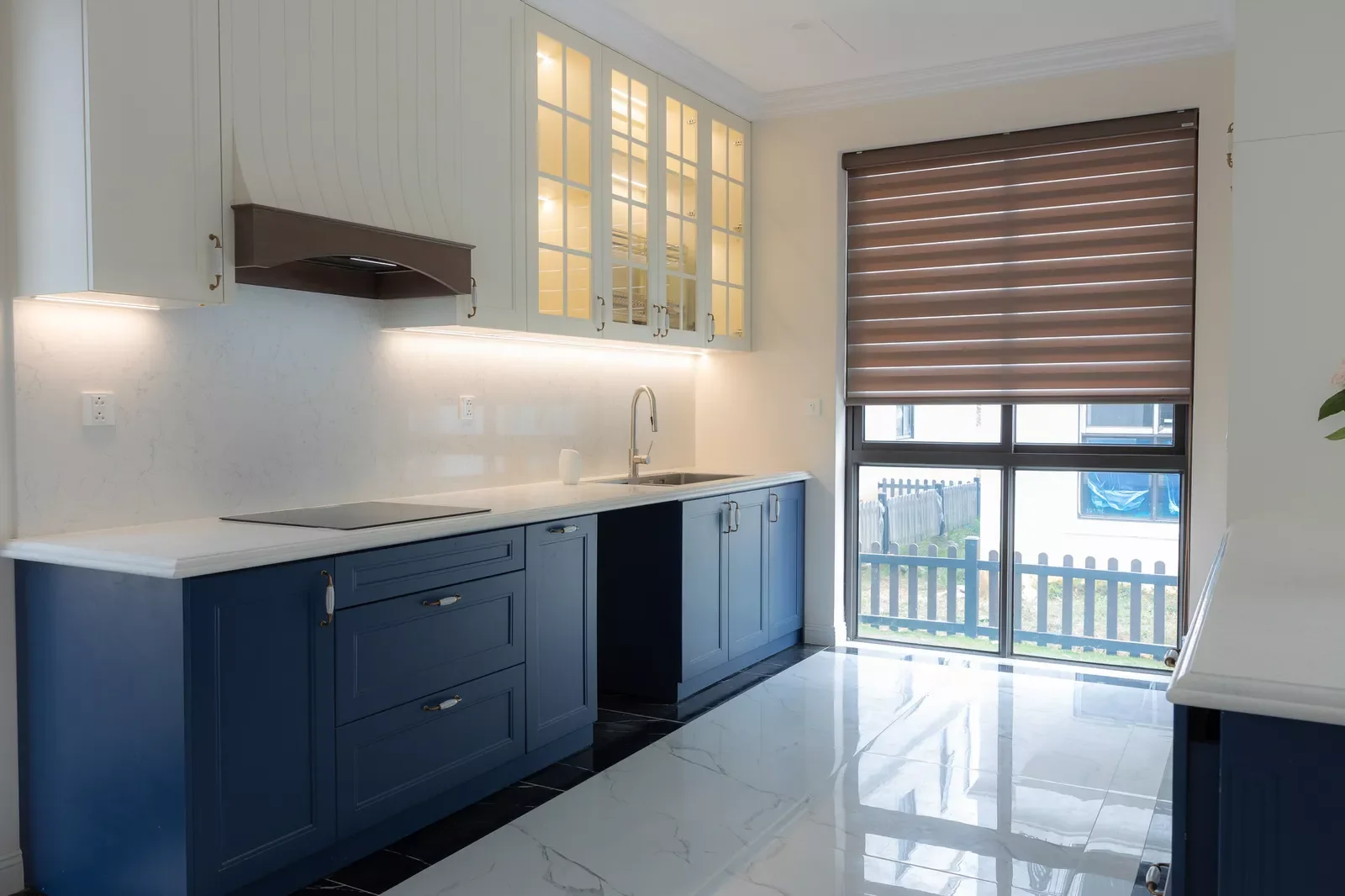
Light filtering shades do more than manage brightness and privacy. According to the U.S. Department of Energy, about 30 percent of a home's heating energy escapes through windows. Roughly 76 percent of the sunlight that hits a standard double-pane window turns into heat during the cooling season. A well-chosen shade helps regulate that heat gain and loss. That can mean a more comfortable room, and a bit of relief on energy bills, especially on windows that get strong direct sun. You can read more about window covering performance on the Department of Energy's website.
Getting the Right Fit for Your Home
Choosing a light filtering roller shade is not just about picking a fabric you like. It means weighing opacity, room use, texture, and whether motorization fits your lifestyle. Every window and every room has its own light patterns. What works beautifully in one home might not be the right fit in another.
At Windy City Blinds, we offer custom light filtering roller shades in fabrics ranging from sheer to opaque. Options include the Custom Clutch operating system and PowerView Motorization for smartphone or remote control. Our team has spent years helping Chicagoland homeowners choose window treatments that fit their space and their daily routines, from initial design guidance through professional installation. If heat control is a priority alongside light management, our solar shades line is also worth a look.
Reach out to our team for a consultation. We'll help you find the fabric, opacity, and operating system that fits your home, and the way you actually live in it.