
Types of Window Blinds: Exploring Styles, Materials & Features
Types of window blinds range far beyond the plain plastic slats many of us grew up with. Today’s options differ in material, slat size, operation, and the way they handle light. That variety is great news, though it can make shopping feel a little overwhelming.
This guide explores the main types of window blinds, their materials, and the features that set them apart. By the end, you'll have a better understanding of which styles work best in each room of your home.
Horizontal vs. Vertical: The Two Main Types of Window Blinds
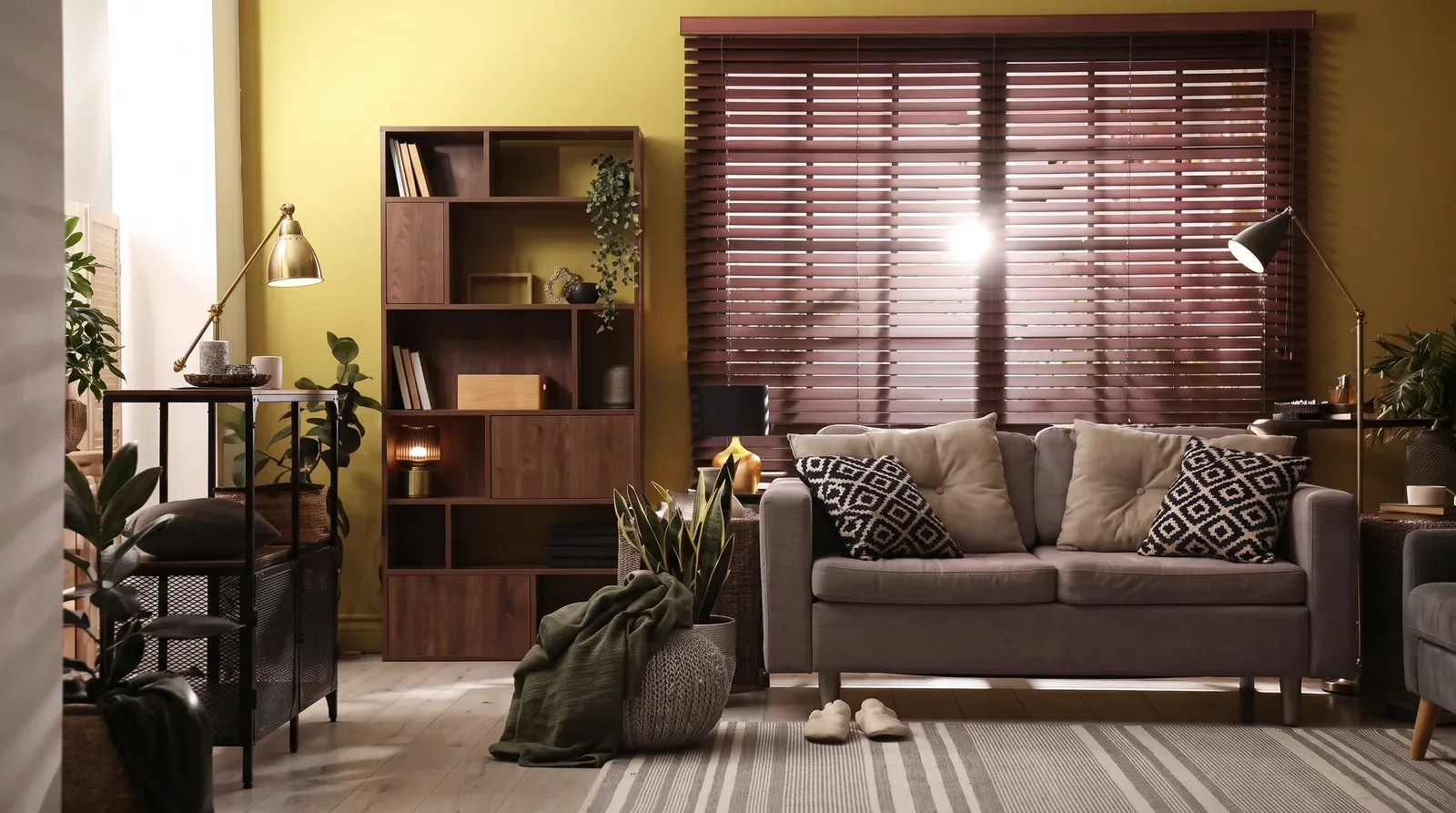
Most blinds fall into one of two families based on slat direction. Horizontal blinds use stacked slats that tilt open and closed and lift from the bottom up. They fit standard windows in bedrooms, kitchens, and living rooms, which explains their lasting popularity. You’ll find horizontal styles in nearly every finish among our custom window blinds, from crisp whites to rich stains.
Vertical blinds hang long vanes from a headrail and slide to one side. They work well on sliding patio doors and wide windows where horizontal slats can feel bulky. When homeowners compare types of window blinds for large openings, verticals often land near the top of the list.
Light Control and Privacy Features to Compare
Light control depends largely on slat size and how tightly the slats close. Wider slats provide a clearer view when open, while narrower slats offer a tighter fit when closed. Routeless designs eliminate the cord holes that can allow small amounts of light to filter through.
The way blinds fit your windows is just as important as their features. Inside-mount blinds fit within the window frame, creating a clean, built-in appearance. Outside-mount blinds extend beyond the frame, covering more of the window opening and helping reduce light around the edges. For even greater light control, you can layer many types of window blinds with shades or drapery, particularly in bedrooms and media rooms.Living spaces offer plenty of room to prioritize style and design. Using coordinating window blinds in connected rooms creates a consistent look throughout your home. Alternatively, choosing a distinctive material can turn a focal window into an eye-catching feature. Bay windows, sliding glass doors, and oversized windows often require special attention when measuring and fitting blinds, making professional measurements a worthwhile investment.Living spaces offer plenty of room to prioritize style and design. Using coordinating window blinds in connected rooms creates a consistent look throughout your home. Alternatively, choosing a distinctive material can turn a focal window into an eye-catching feature. Bay windows, sliding glass doors, and oversized windows often require special attention when measuring and fitting blinds, making professional measurements a worthwhile investment.
Energy use belongs in the conversation too. The Building America Solution Center recommends window attachments rated by the Attachments Energy Rating Council. These ratings cover both warm and cool climates. In long Chicago winters, look for a strong Cool Climate rating.
Common Materials for Different Types of Window Blinds
Material shapes how a blind looks, how long it lasts, and where it belongs in your home. Before you settle on a style, it helps to know how each option holds up day to day. Here’s a quick look at the materials you’ll see most often across the types of window blinds:
Real wood: Real wood brings natural grain and warmth to living rooms, dens, and bedrooms.
Faux wood: Faux wood offers a similar look and resists moisture, so it suits kitchens and bathrooms.
Aluminum: Aluminum blinds are lightweight, budget-friendly, and easy to wipe clean.
Vinyl: Vinyl gives you an affordable, low-maintenance choice for rentals and utility spaces.
Fabric: Fabric vanes soften incoming light and add a tailored feel to vertical and hybrid styles.
Each material carries its own trade-offs in price, weight, and durability. If the warmth of wood appeals to you, our guide to choosing the right wood blinds compares slat sizes, finishes, and real wood versus faux options in detail.
Blind Styles That Blur the Line With Shades
Some modern window treatments combine the tilting control of blinds with the softness of fabric. SILHOUETTE® sheer shadings suspend fabric vanes between two sheer layers. You can tilt the vanes for privacy while daylight still glows through the room. LUMINETTE® privacy sheers work much like vertical blinds but swap hard slats for soft fabric vanes.
These hybrids appeal to homeowners who want the light control of classic types of window blinds without a hard-edged look. They shine in living rooms and bedrooms where ambiance matters most. For patio doors and room dividers, gliding window panels offer a sleek, contemporary alternative.
Operating Systems: From Cords to Motorization
How you raise, lower, and tilt your blinds affects both convenience and safety. Traditional cords and wands still work, but cordless lift systems have become the go-to choice for many households. The U.S. Consumer Product Safety Commission encourages families to choose cordless window coverings, especially in homes with young children.
Motorization takes that convenience a step further. With a remote, an app, or a voice command, you can adjust every blind in a room at once. Among all the types of window blinds, motorized styles offer the most hands-free control, which helps with tall or hard-to-reach windows. Our post on motorized blinds and how to choose them walks through power sources, smart-home features, and other details worth weighing.
Choosing Among the Types of Window Blinds for Each Room
Room function should guide your choice as much as personal style. Kitchens and bathrooms call for moisture-resistant materials like faux wood or aluminum. Bedrooms benefit from tight-closing slats or layered treatments that support better sleep. Home offices need glare control that keeps screens readable without shutting out daylight.
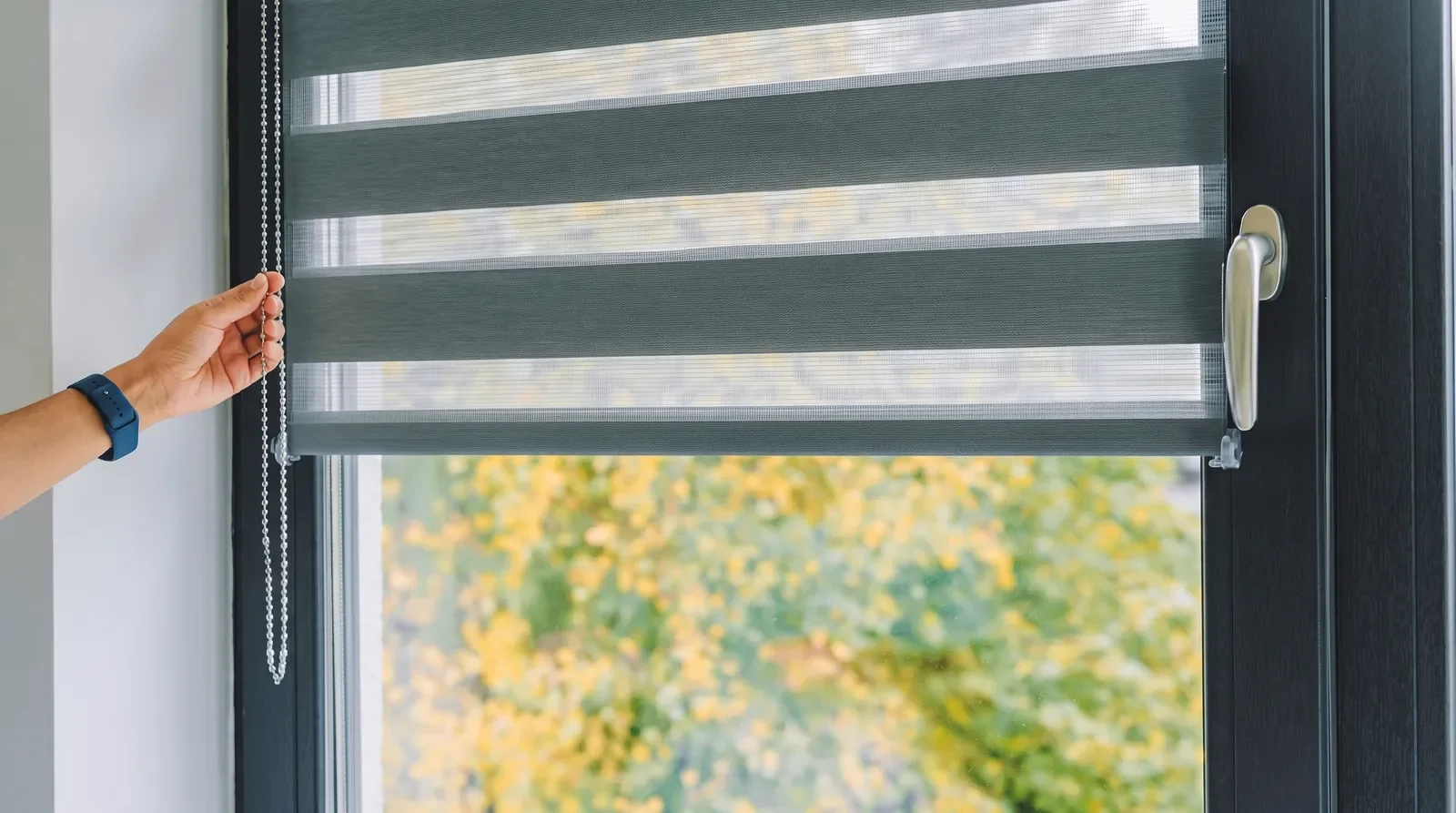
Living spaces offer plenty of room to prioritize style and design. Using coordinating window blinds in connected rooms creates a consistent look throughout your home. Alternatively, choosing a distinctive material can turn a focal window into an eye-catching feature. Bay windows, sliding glass doors, and oversized windows often require special attention when measuring and fitting blinds, making professional measurements a worthwhile investment.
Finding the Right Fit With Windy City Blinds
Narrowing down the types of window blinds gets easier when you have a guide who knows how each option performs in real homes. Windy City Blinds has helped Chicagoland homeowners choose, measure, and install custom window treatments for more than 20 years. Our design consultants bring samples straight to your door, so you can compare colors, materials, and features in your own light. We carry Hunter Douglas products built to size, with a wide range of fabrics and operating systems to explore.
When you’re ready to see how these options look on your own windows, give our friendly team a call, and we’ll find a time that works for you. We’d love to help you create rooms that feel just right.